Buying your first investment property can feel exciting and a little intimidating at the same time. You want a property that makes sense on paper, fits your budget, and gives you a smart start without costly surprises. In Janesville, there are a few local details that matter more than many first-time investors expect, and understanding them early can help you make a more confident move. Let’s dive in.
Why Janesville Gets Investor Attention
Janesville offers a mix of market activity, rental demand, and housing need that makes it worth a closer look. The city has about 66,428 residents, a median household income of $73,446, and a median gross rent of $1,054.
The local vacancy rate is also tight. Janesville’s 2024 housing analysis reported a 3.4% vacancy rate, compared with 5.1% in Rock County and 10.1% statewide. Lower vacancy can point to steady renter demand, but it does not mean every property will perform the same way.
Recent pricing data adds more context. Over the prior three months, Redfin reported a median sale price of $288,000, while Zillow estimated average asking rent at about $1,300. For a first-time investor, that mix suggests opportunity, but only if you buy carefully and run conservative numbers.
Start With Your Investment Goal
Before you look at listings, decide what you want your first property to do for you. Some buyers want steady monthly cash flow, while others care more about long-term appreciation or gaining hands-on experience with a smaller rental.
In Janesville, your goal should shape the type of property you consider. A single-family home may feel simpler to manage, while a duplex or small multifamily property may offer more income potential. The right fit depends on your budget, comfort level, and how involved you want to be after closing.
Pick a Property Type That Fits Janesville
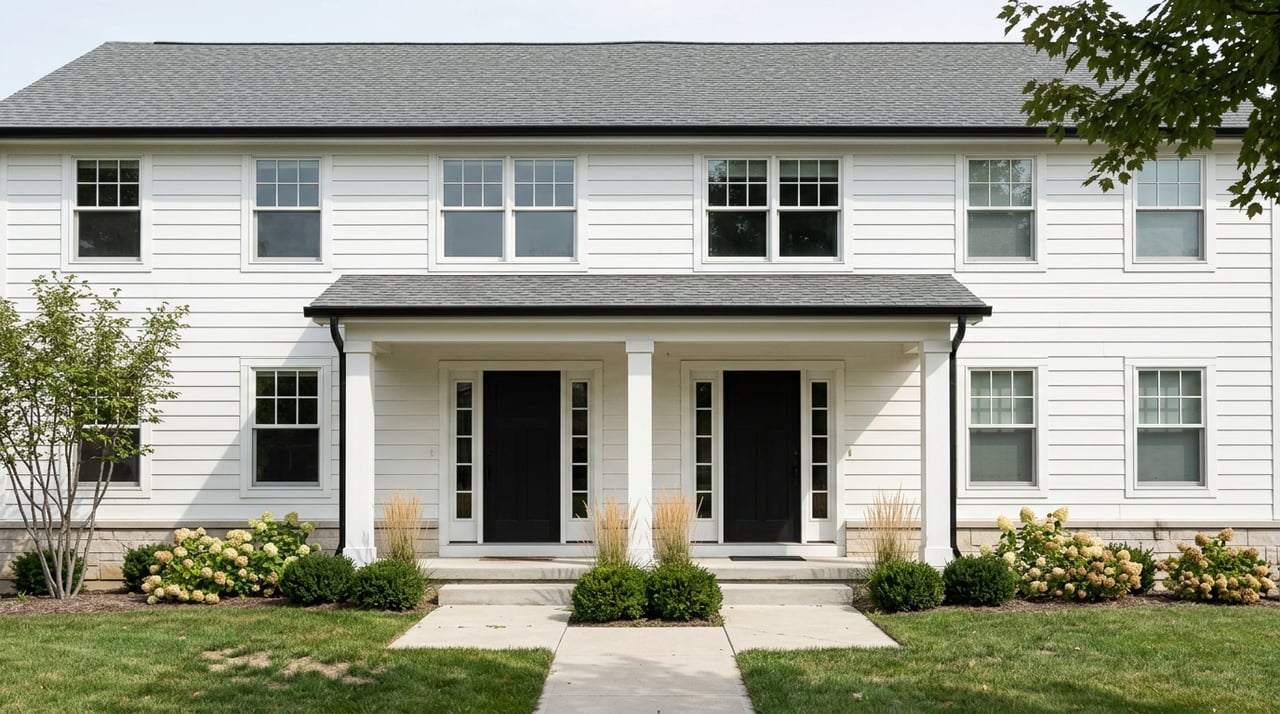
Janesville’s housing mix includes single-family, two-family, and multifamily properties. Since 2018, the city has permitted 1,677 new housing units, including 649 single-family, 110 two-family, and 918 multifamily units. That tells you smaller rental formats are already part of the local market.
The city’s housing analysis also projects household size to decline from 2.32 in 2020 to 2.23 by 2040. That trend can support demand for smaller homes and units, which is helpful to keep in mind if you are comparing a large home to a more modest rental layout.
For many first-time investors, these are the most common starting points:
- Single-family home: Often easier to finance and manage
- Duplex or two-family property: Can create two income streams from one purchase
- Small multifamily property: May offer more rent potential, but often comes with more complexity
Check Zoning Before You Fall In Love
This step is one of the most important in Janesville. The city’s zoning code includes residential districts such as R1, R1D, R2, R3M, R3, and R4, and those districts do not all allow the same uses.
For example, R1 allows single-family dwellings and only limited two-family dwellings by conditional use permit. R1D is intended for low-density development where single- and two-family dwellings are permitted. R3M and R3 are medium- and general-density districts that can accommodate multifamily uses.
Janesville is also actively rewriting its zoning code. That means you should verify current and pending rules for any specific parcel before assuming a duplex, conversion, or small multifamily plan will work. A quick review early in the process can save you from buying a property that does not match your goals.
Run the Numbers Conservatively
The biggest mistake many first-time investors make is overestimating rent and underestimating expenses. A property may look promising at first glance, but the monthly picture can change fast once you add in all the true ownership costs.
Your estimated rent needs to cover more than the mortgage. You also need to account for property taxes, insurance, repairs, maintenance, vacancy, and financing costs. The Consumer Financial Protection Bureau also notes that monthly mortgage payments can include principal, interest, mortgage insurance, and escrowed taxes and insurance.
Closing costs matter too. The CFPB says buyers should expect closing costs of about 2% to 5% of the purchase price, in addition to the down payment. It also recommends keeping an emergency cushion of three to six months of expenses, which is especially important when you own a rental.
Here is a simple way to pressure-test a deal:
- Estimate rent using conservative local comps
- Set aside money for vacancy and repairs
- Use realistic insurance and tax estimates
- Include mortgage-related costs in your monthly total
- Keep cash reserves for unexpected issues
Understand Janesville and Wisconsin Property Taxes
Taxes can change the math more than first-time buyers expect. In Wisconsin, property assessments are based on fair market value, and Janesville notes that the assessor may inspect properties after sales, new construction, or permits that affect value.
That matters if you are planning improvements. The city says upgrades such as added rooms, garages, decks, major kitchen or bath modernization, and central air can increase assessed value. If you are underwriting a rehab, use conservative tax estimates rather than assuming today’s tax bill will stay the same.
You should also know that owner-occupant tax credits do not work the same way for rentals. According to the Wisconsin Department of Revenue, the Lottery and Gaming Credit applies only to a Wisconsin resident’s primary residence, while the School Levy Tax Credit applies to all taxable real property. In plain terms, you should not count on primary-residence credits to reduce the tax bill on an investment property.
Learn the Basics of Wisconsin Landlord Rules
If you plan to rent out the property, you need to understand the rules before you buy. In Wisconsin, landlord-tenant relations are governed by Wis. Stat. chapter 704 and ATCP 134.
Before entering into a rental agreement or taking earnest money or a security deposit, landlords must disclose any known, uncorrected housing code violation that affects the unit or common areas and poses a significant health or safety threat. Landlords must also disclose utility obligations and explain how utilities are split in multi-unit buildings.
Security deposit rules are also important. Deposits generally must be returned within 21 days after move-out, and deductions are limited to unpaid rent, tenant damage, and certain utility bills. If money is withheld, the landlord must provide an itemized statement.
You also need a rental process that follows fair housing rules. The Fair Housing Act prohibits discrimination in rental, sale, mortgage, and related housing activities based on protected characteristics, so your screening, advertising, and lease terms should be reviewed carefully.
Plan for Condition, Repairs, and Permits
A property that looks manageable on showing day can still come with hidden project costs. That is why inspections and permit research matter so much for a first investment purchase.
Janesville’s code adopts the International Property Maintenance Code as the minimum property standards code for all structures and properties, including housing where the rental or lease is a business. If you are buying an older home or planning updates, make sure you understand the current condition and any likely compliance needs.
For renovation work, Janesville requires building permits for new buildings, additions, structural alterations, and floor-plan changes. Plumbing, electrical, and HVAC permits may also be required when applicable. If your investment plan depends on improvements, check permit requirements before you commit.
Build the Right Local Team
You do not have to figure this out alone. A strong local team can help you spot issues early, protect your budget, and make the buying process smoother.
For a first Janesville investment property, it often helps to involve:
- A lender familiar with investment-property underwriting
- A Wisconsin real estate attorney
- A home inspector
- A CPA
- A property manager if you do not want to self-manage
City departments can also help answer specific questions. Janesville’s Planning Division handles rezoning, conditional use permits, subdivisions, and site-plan questions. The Building Division handles permits and inspections, and the Assessor’s Office can help with valuation and appeal timing.
Follow a Smart Due-Diligence Order
When you are new to investing, sequence matters. It is easy to focus on finishes or projected rent first, but the strongest deals usually come from working through the basics in the right order.
A practical Janesville due-diligence sequence looks like this:
- Confirm zoning for the specific parcel
- Verify permit requirements for planned work
- Estimate rent conservatively
- Pressure-test taxes and insurance
- Review your lease and screening process for Wisconsin compliance
This order helps you avoid big surprises. It is especially useful in a market like Janesville, where low vacancy suggests demand, but affordability pressure also means you should be careful about aggressive rent-growth assumptions.
Keep Your First Purchase Simple
Your first investment property does not need to be perfect. It needs to be understandable, manageable, and supported by numbers that still work when repairs, taxes, or turnover cost more than expected.
In Janesville, that often means focusing on a property with clear zoning, realistic rent potential, and repair needs you can evaluate with confidence. A simple first purchase can teach you a lot and set you up for better decisions on your next one.
If you are thinking about buying your first investment property in Janesville, working with a local team can help you sort through property type, market fit, and due diligence with more clarity. Connect with Better Homes & Gardens Real Estate Dream Partners to talk through your goals and take the next step with confidence.
FAQs
What makes Janesville a market to watch for first-time investors?
- Janesville has a low 3.4% vacancy rate, active home sales, and projected housing demand through 2040, which can make it worth a closer look for buyers seeking rental opportunity.
What property type is best for a first investment property in Janesville?
- The best fit depends on your budget and goals, but many first-time investors start with a single-family home, duplex, or small multifamily property that matches local zoning and manageable repair needs.
Why is zoning important when buying a rental property in Janesville?
- Janesville’s residential districts allow different uses, and because the city is updating its zoning code, you should verify parcel-specific rules before assuming a duplex, conversion, or multifamily use is allowed.
What costs should I include when analyzing a Janesville investment property?
- You should include expected rent, mortgage costs, property taxes, insurance, repairs, maintenance, vacancy, closing costs, and cash reserves for emergencies.
Do owner-occupant tax credits apply to rental property in Wisconsin?
- The Wisconsin Lottery and Gaming Credit applies only to a resident’s primary residence, so you should not expect that credit to reduce taxes on an investment property.
What landlord rules should first-time Janesville investors know?
- Wisconsin landlords must follow disclosure, utility, security deposit, and fair housing rules, including returning most security deposits within 21 days after move-out with an itemized statement when deductions apply.