Wondering how to make an older Stoughton home feel fresh to today’s buyers without stripping away the charm that made you love it in the first place? That is a real concern in a city where historic homes are part of the local identity, and where buyers often respond to both character and day-to-day livability. The good news is that you do not need to turn a century-old house into something brand new to make a strong impression. You need a smart plan that highlights what is special, softens what feels dated, and helps buyers picture life there. Let’s dive in.
Why older homes stand out in Stoughton
Stoughton has a strong historic housing presence for a city of its size. According to local preservation sources and the city’s planning context, the community includes five historic districts, 32 locally designated landmark properties, and more than 500 buildings listed on the National Register or State Register, with more than 1,300 documented structures in the Wisconsin Historical Society’s Architecture and History Inventory.
That matters when you are preparing a home for sale. In Stoughton, older homes are not just common. They are part of the city’s visual story. Residential areas like the Northwest Side and Southwest Side historic districts include many homes built between the late 1800s and early 1900s, which means sellers often need to think about presentation and preservation at the same time.
Stoughton also has a largely owner-occupied housing market, with a 66.7% owner-occupied housing unit rate reported in Census QuickFacts. That does not define every buyer, but it does suggest many shoppers are looking for a home that feels comfortable, functional, and ready to enjoy.
What today’s buyers notice first
When buyers walk into an older home, they usually react to two things right away. First, they notice whether the home feels inviting and easy to understand. Second, they notice whether its character feels authentic or hidden under clutter and mismatched updates.
National staging research supports this idea. In the National Association of Realtors 2025 Profile of Home Staging, 83% of buyers’ agents said staging makes it easier for a buyer to visualize a property as a future home. That is especially important in older homes, where room layouts, trim details, and original finishes can be a major asset if buyers can actually see them.
The goal is not to make an older Stoughton home look new. The goal is to make it feel clean, livable, and current while letting its architecture stay in the spotlight.
Preserve the features buyers remember
Historic homes often have details that create an emotional connection. National Park Service preservation guidance points to features like floor plans, primary spaces, doors, cornices, baseboards, fireplaces, hardware, flooring, and stairs as character-defining elements that should be retained when possible.
In practical terms, that means your staging plan should work with those features, not compete with them. If your home has original woodwork, a graceful staircase, built-ins, old hardwood floors, or a classic foyer, those should read clearly in photos and during showings.
Stoughton’s own residential design guidance also warns that removing original trim, altering windows and entries, or using incompatible replacement materials can greatly change a building’s historic appearance. For sellers, that is a good reminder that the most effective pre-listing work is often thoughtful editing, repair, and presentation rather than a full visual reset.
Focus your budget on key rooms
If you are not sure where to spend time and money, start with the rooms buyers tend to judge fastest. The NAR staging report found the most commonly staged spaces are the living room, primary bedroom, and dining room.
For an older Stoughton home, those rooms often carry even more weight because they showcase the home’s scale, ceiling height, trim, windows, and flow. A well-staged living room can make an older layout feel welcoming. A calm primary bedroom can make the house feel restful. A simple dining room can help buyers picture gatherings without distracting from original architecture.
Older homes also benefit from attention to the foyer and stair area. Preservation guidance notes that foyers, parlors, stairhalls, and room sequences are often important interior features. In a historic home, the entry experience helps set the tone for the entire showing.
Use staging to clarify, not cover up
One of the biggest mistakes in older-home staging is overdecorating. Heavy furniture, busy rugs, dark window treatments, and too many accessories can make rooms feel smaller and can hide the very details that make the home memorable.
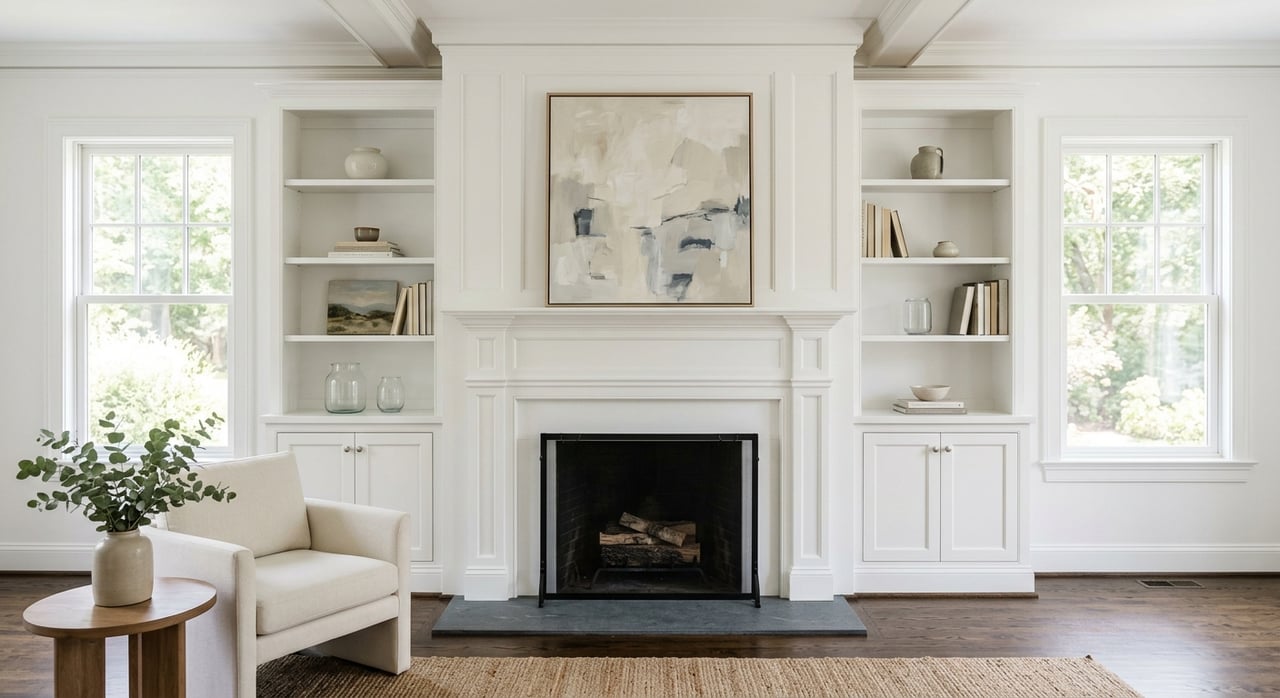
Instead, aim for a lighter touch. Clean-lined furniture, neutral textiles, simple art, and open sightlines can help buyers notice trim, flooring, fireplaces, and natural light. This same principle works in both Victorian-era homes and mid-century homes. You want the architecture to read clearly.
A few smart staging choices can go a long way:
- Remove extra furniture that blocks circulation
- Limit decor on mantels, built-ins, and window ledges
- Use lighting to brighten darker corners
- Keep color palettes soft and consistent
- Let original woodwork or painted trim stand out
This is where design-led presentation can make a real difference. You are not erasing age. You are helping buyers understand how the home lives today.
Refresh secondary spaces carefully
You do not always need major renovations before listing. In fact, for many older homes, a lighter approach is often the better one.
Based on the staging evidence and preservation guidance, the strongest strategy is usually to repair, clean, and update selectively while keeping the home’s visible character intact. National Park Service rehabilitation standards allow flexibility for compatible updates when they require minimal change to distinctive materials, features, spaces, and spatial relationships.
That often translates into practical improvements like:
- Fresh paint in compatible, understated colors
- Repaired plaster or drywall
- Updated light fixtures that fit the home’s style
- Deep cleaning of tile, grout, and older cabinetry
- Better storage editing in kitchens and baths
- Refinished or cleaned flooring where needed
Kitchens and bathrooms matter, but they do not always need a total overhaul to support a successful sale. Buyers often respond well to spaces that feel well-kept, bright, and functional, especially when the main living spaces already tell a strong architectural story.
Keep exterior updates compatible
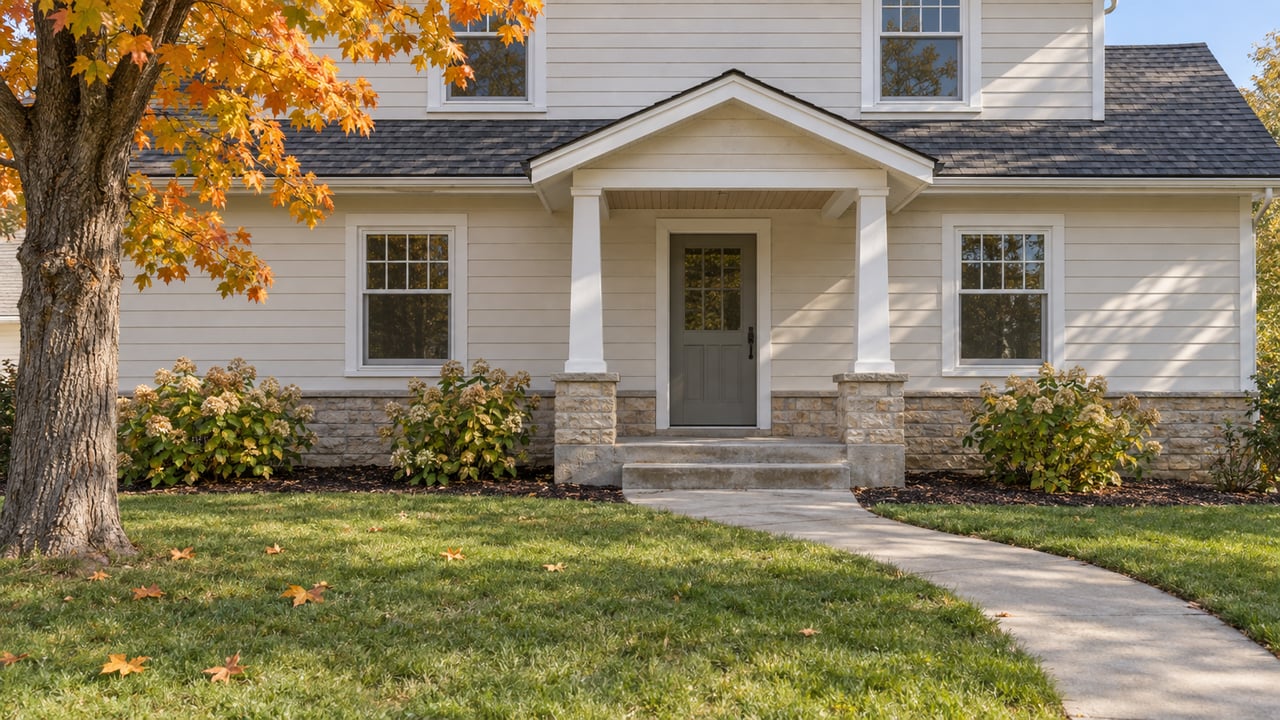
Curb appeal matters just as much with older homes, but compatibility matters too. Stoughton’s residential guidelines say exterior changes and additions should be compatible with the historic design of the façade and that new materials should duplicate the old in size, shape, and texture where possible.
Before listing, focus on visible maintenance and presentation. Clean siding, touch up paint where appropriate, tidy landscaping, repair loose elements, and make the entry feel cared for. These steps can lift first impressions without making the home look generic.
For many sellers, the best exterior plan is simple:
- Repair before replacing when possible
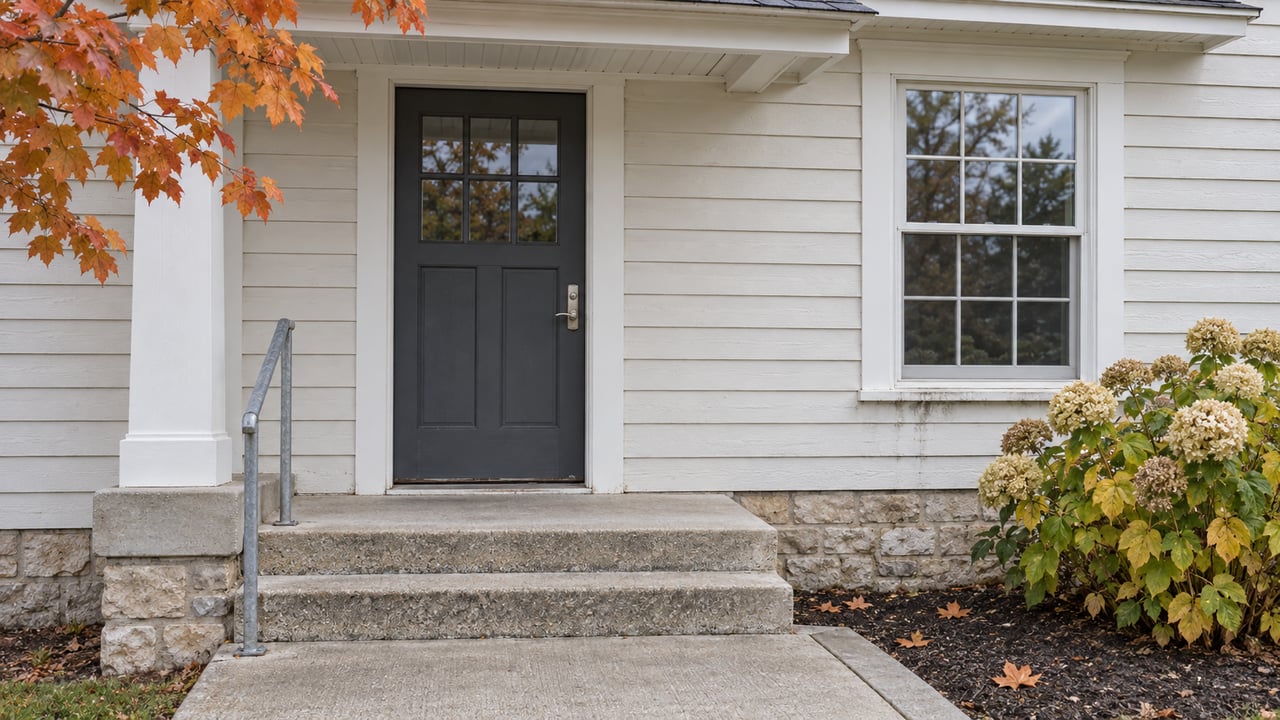
- Clean porches, steps, railings, and walkways
- Keep plantings neat and sightlines open
- Highlight the front door and entry sequence
- Avoid trendy exterior choices that clash with the home’s age
Know when approvals may apply
If your home is a locally designated landmark, a landmark site, or located in a local historic district, certain exterior work may require local review. In Stoughton, the Landmarks Commission states that a Certificate of Appropriateness is required before exterior changes that require a building permit can be made on these properties.
The city also directs owners to Planning and Development for permit access and staff support tied to Landmarks Commission matters. If you are considering visible exterior work before listing, it is wise to confirm whether review is needed before the project begins.
This step can help you avoid delays, extra cost, or rushed changes right before your home hits the market.
Do not overlook lead-safe prep
If your Stoughton home was built before 1978, lead-based paint may be a concern. The EPA says older homes are more likely to contain lead-based paint, and the likelihood is especially high in homes built before 1940.
That does not mean every older home has a problem, but it does mean pre-listing work should be handled carefully if painted surfaces will be disturbed. If prep involves sanding, scraping, window work, or other surface disruption, using lead-safe work practices and a lead-safe certified contractor is the safer path.
For sellers, this is less about appearance and more about planning. Safe prep helps protect the home, the people doing the work, and your timeline.
A possible tax credit for some historic homes
Some Stoughton homeowners may have access to Wisconsin’s Homeowner Historic Tax Credit. For qualifying historic residences, the credit may return 25% of approved rehabilitation expenses.
The key detail is that the work must be approved before it starts, and the credit applies only to eligible historic homes. It is not a blanket incentive for every older property, but for the right home and project, it may be worth exploring early in the planning process.
The best staging mindset for older Stoughton homes
The strongest strategy is usually not dramatic transformation. It is thoughtful presentation.
In a market like Stoughton, buyers are often drawn to homes that feel authentic, cared for, and easy to imagine living in. When you preserve the details that give your home identity, stage the rooms buyers notice most, and make careful updates that support everyday function, you create a listing that feels both timeless and relevant.
If you are preparing an older home for sale, the right plan can help you show its charm with confidence and avoid changes that do more harm than good. For guidance on design-led presentation and pre-listing strategy, connect with Better Homes & Gardens Real Estate Dream Partners.
FAQs
What is the best way to stage an older home in Stoughton for modern buyers?
- Focus on clean, livable presentation while preserving original features like trim, floors, stairs, fireplaces, and room flow.
Which rooms matter most when staging an older Stoughton house?
- The living room, primary bedroom, and dining room usually deserve first priority, with the foyer and stair area also important in many older homes.
Should you renovate heavily before listing an older home in Stoughton?
- Usually, a better approach is to repair, clean, and stage thoughtfully rather than remove the home’s visible character through major cosmetic changes.
Do historic homes in Stoughton need approval for exterior changes?
- Some do, because locally designated landmarks, landmark sites, and properties in local historic districts may need a Certificate of Appropriateness for exterior changes that require a building permit.
Is lead paint a concern in older Stoughton homes before listing?
- Yes, especially in homes built before 1978, so any project that disturbs painted surfaces should be planned with lead-safe work practices in mind.
Can some Stoughton homeowners get a tax credit for historic rehab work?
- Yes, qualifying historic residences may be eligible for Wisconsin’s Homeowner Historic Tax Credit, but the work must be approved before it begins.