Trying to decide between true lakefront and a home with “lake access” on Geneva Lake? You’re not alone. The type of access you choose will shape your daily routine, your budget, and your long-term enjoyment of the water. In this guide, you’ll learn how lakefront, deeded access, and public access differ in rights, costs, and lifestyle so you can buy or sell with confidence. Let’s dive in.
What counts as lakefront
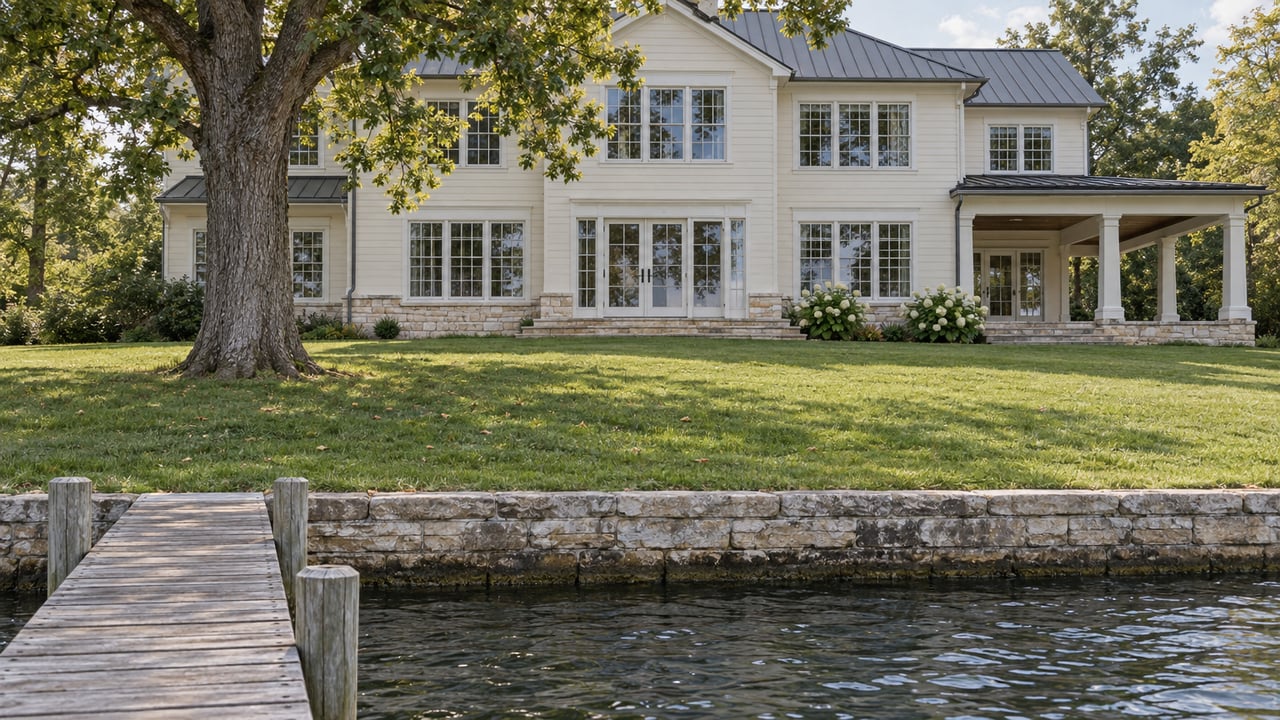
A true lakefront parcel physically touches the Geneva Lake shoreline. These properties are typically considered riparian, which means you usually have the right to access the water directly from your land, install and use a pier or dock within legal limits, and enjoy reasonable shoreline use.
Your rights are not unlimited. Pier and shoreline work often require permits and approvals. In the Lake Geneva area, you will work with the Wisconsin Department of Natural Resources, Walworth County Land Use and Resource Management, and your local municipality, such as the City of Lake Geneva, the Village of Fontana, the Village of Williams Bay, or the Town of Linn. Covenants or HOA rules can also restrict what you can build or how you can use the shoreline.
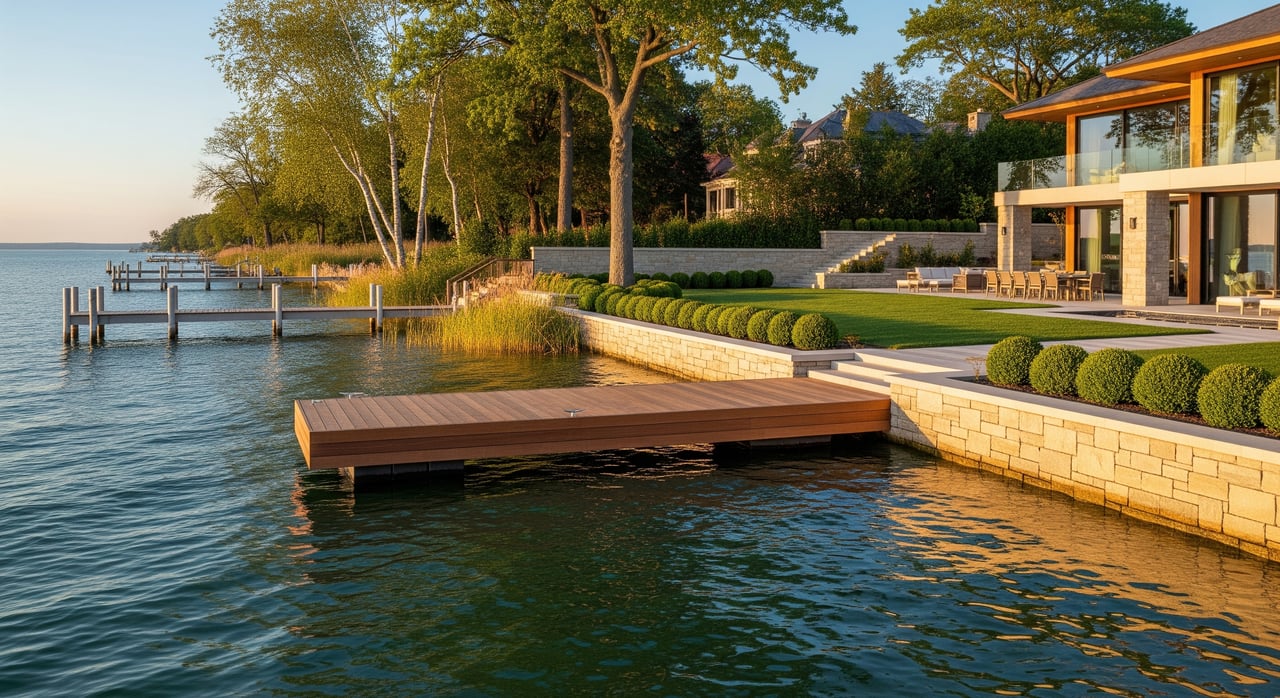
The lifestyle benefit is clear. You can walk from your yard to the water and keep your boat steps away. That convenience and privacy tend to command a higher price and strong resale appeal. Still, shoreline configuration, frontage, and environmental rules can limit the size and placement of a pier.
What deeded lake access means
Not every home that enjoys the lake sits on the shoreline. Many off-lake properties have deeded lake access through a recorded easement, a shared access lot, or an association-owned lake parcel. This is different from general public access.
Deeded access varies widely. You might have an exclusive easement serving a single lot, a small shared access used by a handful of owners, or a larger association with a community pier and rules for slips, storage, and guests. The recorded documents define who can use the access, where it is located, and how maintenance is handled.
You get the benefits of lake life at a lower purchase price than true lakefront. But there are tradeoffs. Shared sites can feel crowded during peak season. Some easements are old or ambiguous about docks, overnight mooring, or how many boats are allowed. You also share costs for repairs, insurance, and seasonal work based on the easement or HOA rules.
Public access options
Public access includes municipal beaches, parks, and boat launches that anyone can use subject to local rules and fees. This is great for casual use, guests, or buyers who do not need daily dock access.
Public access does not give you private dock or slip rights. You cannot claim exclusive use at a public site, and peak times may be busy. If you plan frequent boating or gear storage, logistics like parking, launching, and distance from your home matter.
Pier and dock rights
Your ability to install or use a pier depends on several layers of control. Riparian ownership, recorded easements, HOA documents, municipal ordinances, and state rules all apply. Even for lakefront owners, permits and local codes can limit pier length, number of slips, and seasonal use.
On shared access parcels, docks are often community structures owned by an association with rules for assignment, storage, and maintenance. In other cases, individual riparian owners maintain their own pier within local limits and state rules.
How access affects price and resale
Access type is a major driver of value on Geneva Lake. Lakefront properties typically command the highest prices because of direct shoreline use and private docking. Deeded access properties sit in the middle and can vary widely depending on exclusivity, slip assignments, and crowding. Homes that rely on public access usually trade at lower prices than those with private rights.
Do not assume equal value across listings labeled “lake access.” The difference between an exclusive deeded access with a dedicated slip and a large shared site without mooring can be significant. Clear, transferable rights and well-documented rules support both enjoyment and resale.
Local rules to confirm
Geneva Lake spans several municipalities, and each has its own pier and shoreline processes. Walworth County shoreland zoning and the Wisconsin DNR also have roles in permitting and regulation. Before you plan a new dock, expand an existing structure, or add a boat lift, confirm what is allowed where your property sits.
If your access is shared, the HOA or association rules can be more restrictive than state or county guidance. This is common for boat type, number of slips, guest policies, and parking.
Seasonal and environmental factors
Geneva Lake experiences seasonal changes that affect access and costs. Winter storage and removal of piers, lifts, and boats require planning and, in some cases, association schedules and fees. Shoreline erosion, water levels, and storm events can impact docks and retaining walls.
Local conservation groups and lake associations promote stewardship, invasive species prevention, and water quality. You may see cleaning rules for boats, no-wake zones, and guidance for shoreline buffers that help protect the lake and your structures.
Buyer due diligence checklist
Before you tour or make an offer, request and review:
- Recorded deed and full legal description.
- Title search for easements, covenants, restrictions, and shoreland covenants.
- Plat map and a recent survey showing lot lines and shoreline, if applicable.
- If shared access: HOA declarations, bylaws, rules, budgets, recent meeting minutes, and any special assessments.
- Recorded shoreline access easement and any maintenance agreement for docks or access lots.
- Municipal and state permit history for piers or shoreline improvements.
- Floodplain and shoreland zoning status from the county.
- Insurance details for docks or boathouses and how liability is handled.
- Inspection or engineer reports for docks, retaining walls, or shoreline structures.
Key questions to ask
Use these simple questions to clarify rights and responsibilities:
- Does the lot physically touch the lake, and is it riparian? If not, where is the lake access and what exact rights come with it?
- How many parcels share the access? Are there parking, guest, or hour-of-use limits?
- Who owns the access parcel and dock? How are maintenance, insurance, and reserves handled?
- Are pier or slip rights included and transferable? Can you add a dock or expand an existing one?
- Are there written rules for boat types, number of slips, storage, and quiet hours?
- Have there been disputes about access or pier placement noted in association minutes?
- Are permits current for existing shoreline structures? Any violations?
Red flags to avoid
Watch for:
- Vague or missing easement language that fails to define users or maintenance.
- A small access parcel shared by many homes that could create crowding.
- No clear ownership of a community dock or insufficient HOA reserves.
- Recorded restrictions that prohibit motorboats or private piers when you plan to use them.
- Listing language that does not match the deed, plat, or recorded easements.
Who to contact for certainty
These stakeholders provide definitive answers and records:
- Wisconsin Department of Natural Resources for waterway permits and navigable water rules.
- Walworth County Register of Deeds for recorded deeds, easements, and plats.
- Walworth County Land Use and Resource Management for shoreland zoning and permit status.
- Municipal offices for the City of Lake Geneva, Village of Fontana, Village of Williams Bay, and Town of Linn for local pier and shoreline ordinances.
- Geneva Lake Conservancy and local lake associations for environmental guidance and public access points.
- A title company or real estate attorney experienced in Geneva Lake waterfront transactions.
Making your decision
Start with lifestyle. If daily dock access and privacy are top priorities, true lakefront is likely the best fit. If you want lake enjoyment without the full price premium, carefully documented deeded access can work well. If you use the lake occasionally or prefer flexibility, public access may be enough.
Then weigh the details. Confirm riparian status, easement language, slip assignments, HOA budgets, and permit history. Build in seasonal maintenance, insurance, and long-term upgrades to docks or shoreline into your budget. When in doubt, rely on recorded documents and municipal guidance, not marketing labels.
If you want help comparing options around Geneva Lake, lean on a local team that understands both lifestyle and legal details. With design-forward presentation for sellers and clear guidance for buyers, our team partners with you from first tour to closing and beyond.
Ready to explore lakefront or lake access homes with a trusted advisor? Connect with Better Homes & Gardens Real Estate Dream Partners to plan your next step.
Better Homes & Gardens Real Estate Dream Partners
FAQs
What is the difference between lakefront and deeded access on Geneva Lake?
- Lakefront parcels are riparian and touch the shoreline, while deeded access gives off-lake homes a recorded right to use a specific access point or shared parcel under set rules.
Can a non-lakefront home have a private dock near Lake Geneva?
- Only if the recorded easement or association rights explicitly allow a dock or slip and the required municipal and state permits are obtained.
Who issues permits for docks on Geneva Lake?
- Permitting typically involves the Wisconsin DNR, Walworth County shoreland zoning, and the local municipality where the property is located.
Do public beaches or launches come with slip rights?
- No. Public access sites do not provide exclusive pier, slip, or mooring rights for adjacent homeowners.
What documents should I review before offering on a home with lake access?
- Review the deed, title report, recorded easements, HOA rules and budgets, surveys, permit history, and any maintenance or insurance agreements for docks and access areas.
What red flags suggest a shared access could be a problem?
- Vague easement language, too many users for a small parcel, unclear dock ownership, or an HOA with low reserves for dock and shoreline maintenance.