Dreaming about mornings on Geneva Lake or evenings strolling downtown for dinner? If you are deciding between true lakefront living and an in-town address, you are not alone. Both options deliver the Lake Geneva lifestyle, but the day-to-day feel, budget, maintenance, and rental options are very different. In this guide, you will learn what to expect from each property type in 53147, how to weigh the tradeoffs, and the key questions to ask before you buy. Let’s dive in.
Property types explained
True lakefront homes
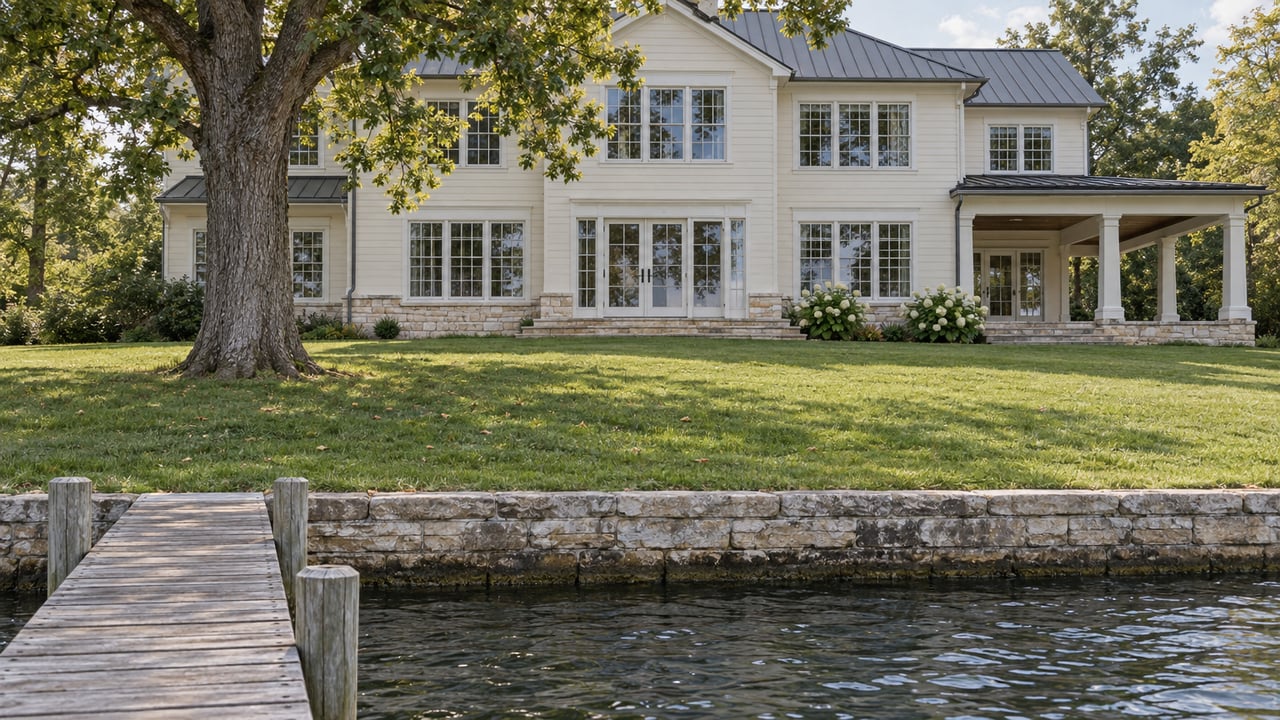
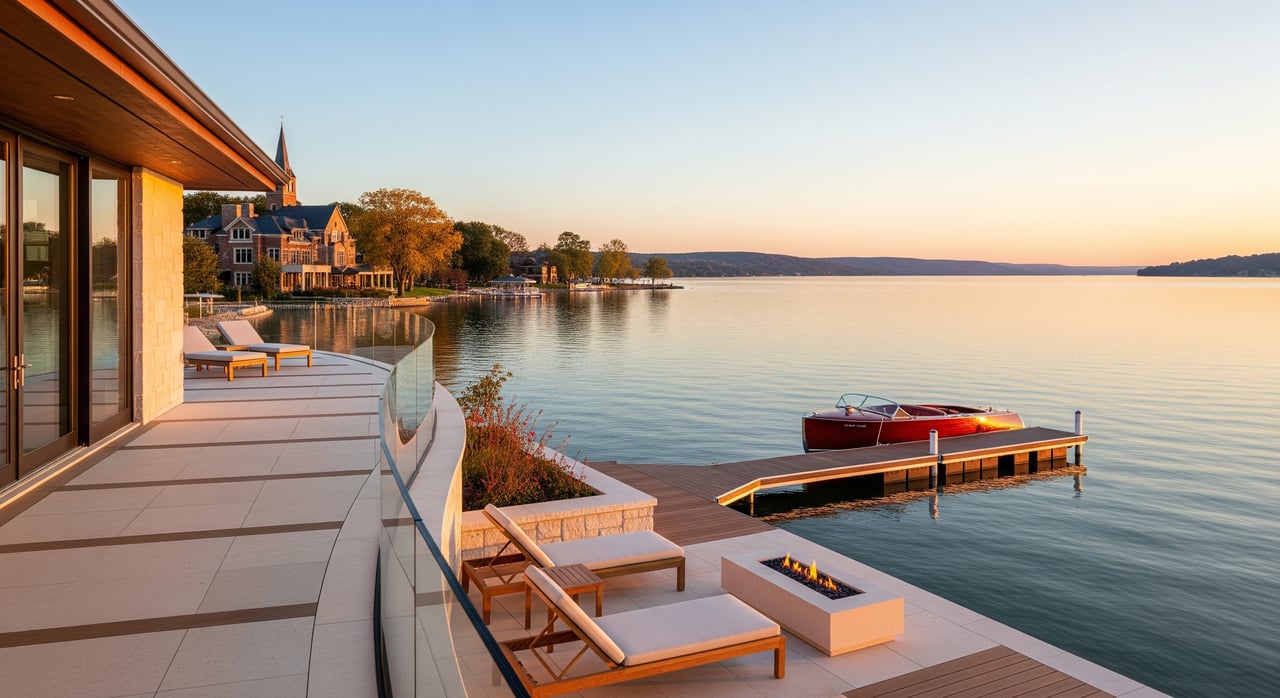
True lakefront means your land extends directly to the water with no public strip or shared easement in between. You get immediate water access, private views, and the option for a private pier or boathouse if permitted. Expect higher purchase prices and taxes, plus direct responsibility for shoreline structures and maintenance.
Lake-access associations
In these communities, you own a home or condo with shared rights to the lake. Amenities often include a communal beach, shared piers, and sometimes boat slips assigned by rule or lottery. You trade lower entry costs and managed common areas for association fees and rules around guests, rentals, and boat use.
In-town and near downtown
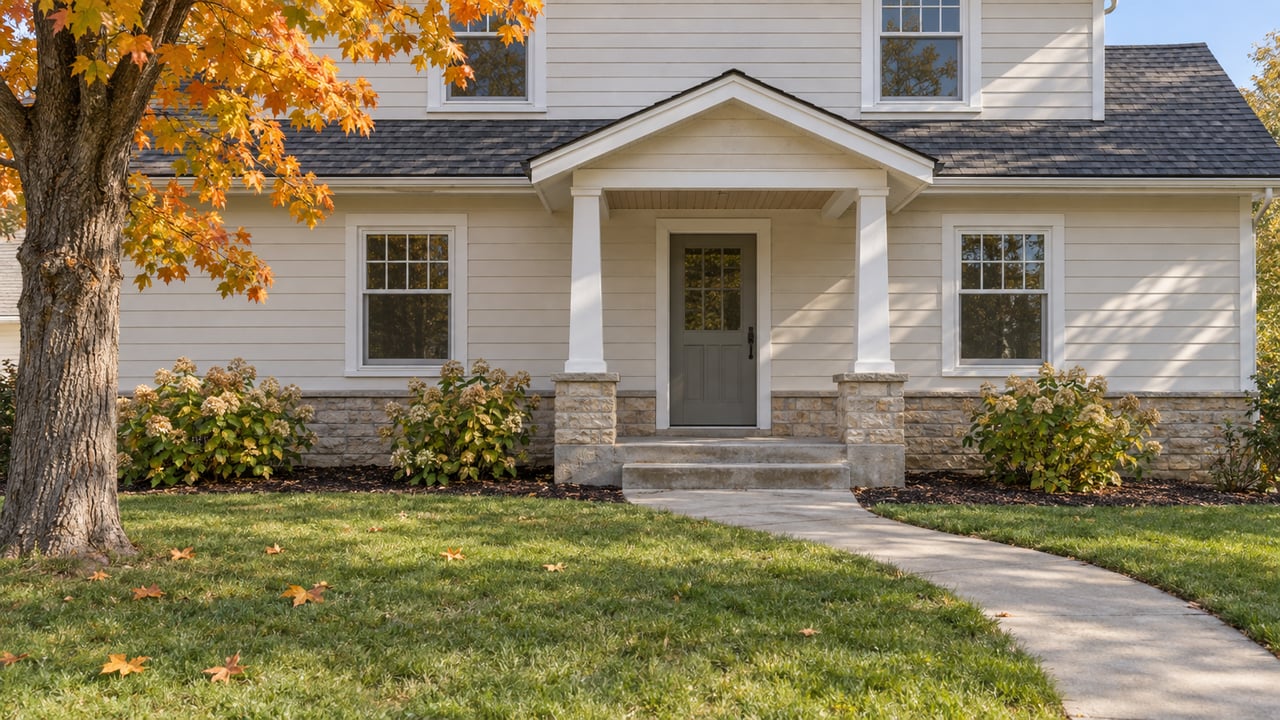
These homes and condos sit within a short walk of shops, restaurants, parks, and the public lakefront promenade. You gain walkability and year-round convenience with fewer direct lake maintenance needs. Access to the water is public rather than private, and private piers or boat storage are rare.
Budget and ongoing costs
- Purchase price: Lakefront commands the highest prices in 53147. Lake-access associations vary by location and amenities. In-town condos and homes are often the most affordable way to enjoy Lake Geneva.
- Property taxes: In Walworth County, assessments reflect value. Higher-valued lakefront often carries higher taxes than in-town or association homes.
- HOA and association fees: Lake-access communities and many condos have monthly or annual dues that fund common-area insurance, maintenance, and reserves. Review current budgets and reserve studies to understand potential assessments.
- Insurance: Lakefront typically requires broader coverage for wind, hail, shoreline structures, and higher liability exposure. Flood insurance needs depend on FEMA mapping at the parcel level, but shoreline homes can face risk even if outside a mapped flood zone.
Maintenance and utilities
- Shoreline care: Lakefront owners are responsible for seawalls, riprap, piers, stairs, and shoreline vegetation. Work often requires state and local permits. Seasonal pier removal and spring setup add costs.
- Winterization: Freeze and ice mean winterizing plumbing and managing ice impacts on piers or seawalls. Spring thaw brings inspections and upkeep.
- Utilities: Many in-town homes connect to municipal water and sewer. Some lakefront parcels may rely on private wells and septic systems. Septic capacity can affect occupancy and rental plans, so inspections and records matter.
- Landscaping and erosion control: Native plantings and stabilization help prevent erosion. Conservation programs may be available but can include usage limits.
Rental potential and rules
- Demand: Lake Geneva draws strong summer and weekend tourism, which can support short-term rentals. Actual occupancy and nightly rates vary by season and property type.
- Local rules: Short-term rentals may require municipal licensing, inspections, occupancy limits, and parking compliance. Check City of Lake Geneva and Walworth County rules before underwriting income.
- Association limits: Many HOAs restrict rentals, set minimum stay lengths, and require guest or owner registration. Confirm policies in the CCRs and bylaws.
- Practical details: Consider parking capacity, septic limits for occupancy, and STR-focused insurance endorsements. Peak demand centers on summer with shoulder seasons in spring and fall.
Lifestyle fit
- Full-time living: In-town properties suit year-round routines, walkability, and commuting. Municipal services simplify daily life.
- Weekend escapes: True lakefront prioritizes privacy, views, and direct water access. It can be ideal if you plan to boat, swim, or entertain on the shoreline.
- A middle path: Lake-access associations offer the lake lifestyle with shared maintenance and social amenities, often at a lower entry price than direct lakefront.
- From Chicago: Lake Geneva is a driveable getaway for Chicago-area buyers who want quick weekend access without flights.
Quick comparison
| Factor | True Lakefront | Lake-Access Association | In-Town/Near Downtown |
|---|---|---|---|
| Entry cost | Highest purchase price and taxes | Mid-range, depends on amenities | Often most affordable |
| Ongoing fees | Private maintenance, higher insurance needs | HOA dues plus reserves/assessments | Lower common fees, standard utilities |
| Water access | Private shoreline, potential private pier (permits required) | Shared beach/pier; slips may be limited or by lottery | Public beach and promenade access only |
| Maintenance | Seawalls, docks, erosion control, seasonal pier work | HOA handles common areas; owners maintain units | Minimal lake-specific upkeep |
| STR viability | Strong appeal; confirm city, county, and DNR limits | Often restricted by HOA rules | Check municipal rules; parking may be limited |
| Walkability | Lower, depending on location | Varies by community location | Highest proximity to shops, dining, parks |
| Utilities | Possible well/septic on some parcels | Varies by development | Typically municipal water/sewer |
Communities to explore
- South Shore Club: A lake-access association known for communal amenities and proximity to the water. Review CCRs for rental limits, boat slip policies, fees, and reserve funding.
- Geneva Bay Estates: Near Geneva Bay and convenient to town activity. Confirm walkability, access arrangements, and association rules in current disclosures.
- Downtown condos and historic homes: Along and near the lakefront promenade with strong walkability to dining, Riviera Beach, and events. Verify parking, storage, and any rental restrictions.
For each option, ask your agent for recent listings, closed comps, current fee schedules, and any planned assessments. Always confirm how lake access is defined in the deed and survey.
Buyer checklists by property type
For true lakefront
- Confirm lakefront status in deed and survey. Check for public easements or shared access.
- Ask for history of DNR and local permits for piers, boathouses, or seawalls.
- Inspect shoreline structures and estimate capital needs for repairs or replacements.
- Verify utilities, including well and septic records, capacity, and inspection history.
- Review FEMA flood maps and obtain insurance guidance for shoreline risk.
For lake-access associations
- Request CCRs, bylaws, meeting minutes, current budget, and reserve study.
- Learn how boat slips are assigned and what size or type limits apply.
- Confirm rental policies, guest rules, and fine schedules.
- Ask about recent or upcoming assessments for docks, seawalls, or beaches.
- Verify parking allocations and storage options for boats and gear.
For in-town and near downtown
- Map walking distances to dining, parks, beaches, and groceries.
- Check parking capacity and any city rules on guest or short-term stays.
- Confirm building rules for condos, including pet, storage, and rental policies.
- Verify municipal services, utility costs, and any special assessments.
Smart next steps in Lake Geneva
- Tour in different seasons to understand wind, ice, traffic, and parking patterns.
- Order a title search and review surveys to verify true waterfront and any easements.
- Consult City of Lake Geneva and Walworth County for zoning, STR rules, and permits.
- Review Wisconsin DNR guidance for shoreland zoning, piers, and shoreline work.
- Check FEMA flood maps and talk to an insurance agent about lake-specific coverage.
- For associations, review current financials and reserve studies before you commit.
- If you plan to rent, verify legality first, then price using current market data.
Ready to compare real homes side by side, run true cost estimates, and match a property to your lifestyle? Connect with Better Homes & Gardens Real Estate Dream Partners for local expertise, design-led guidance, and a calm path to a great decision.
Search Lake Geneva & Walworth County Homes for Sale
FAQs
What defines a true lakefront home in Lake Geneva?
- A true lakefront parcel has private land that touches the water with no public strip or shared easement between the home and the shoreline, confirmed by the deed and survey.
Can I add a pier or get a boat slip on Geneva Lake?
- Private piers and slips require compliance with Wisconsin DNR guidance and local rules; in associations, slip availability and size are controlled by the HOA’s policies.
Are short-term rentals allowed in 53147?
- Short-term rentals depend on City of Lake Geneva and Walworth County rules and, for associations, HOA restrictions; confirm licensing, occupancy, parking, and inspection requirements before planning income.
What extra maintenance should I expect with lakefront?
- Budget for seawall and shoreline stabilization, seasonal pier removal and installation, winterization, and spring inspections, all of which may require permits.
Do all properties in Lake Geneva have municipal water and sewer?
- Many in-town homes do, but some lakefront parcels rely on well and septic; verify utility type and recent inspection records since septic capacity can affect occupancy and rentals.
How does living in-town compare to lakefront for daily life?
- In-town living emphasizes walkability to shops, dining, parks, and events with simpler utilities and maintenance, while lakefront living prioritizes privacy, views, and direct water access.